
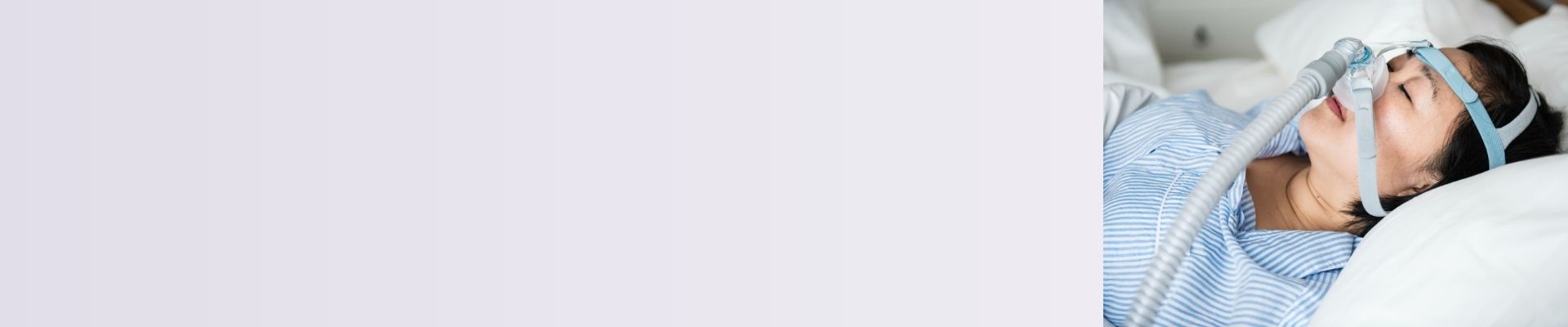
Sleep Apnea is a serious medical condition where you have one or more interruptions in breathing during sleep. Apnea literally means “cessation of breath,” and is clinically defined as a period without breathing that lasts at least ten seconds. These pauses in breathing can happen in excess of 30 times each hour and can cause the brain to wake the body from deep sleep in order to restore airflow. While this may not wake you up completely, it makes it difficult to reach (or maintain) deep sleep.
The more common form, occurs when your airway becomes completely or partially blocked due to the relaxation of the muscles and other soft tissues that surround the throat and tongue.
Occurs due to a malfunction in the brain. The brain does not communicate with the muscles that control breathing, so even though the airway remains open with no blockage, there is no airflow.
Common signs of Obstructive Sleep Apnea include:
Although anyone can develop Obstructive Sleep Apnea, there are several factors that put you at a greater risk, including:
Sleep apnea can have alarming consequences when left untreated. Many studies have shown an association between sleep apnea and several other serious health conditions such as cardiovascular diseases, type 2 diabetes, depression, and immune-system deficiencies. Without treatment, these symptoms can worsen and, in some cases, become life-threatening.
Untreated sleep apnea can also negatively affect your quality of life. The restlessness associated with this chronic condition can make it difficult to concentrate, reduce productivity, and increase the risk of occupational and driving accidents.
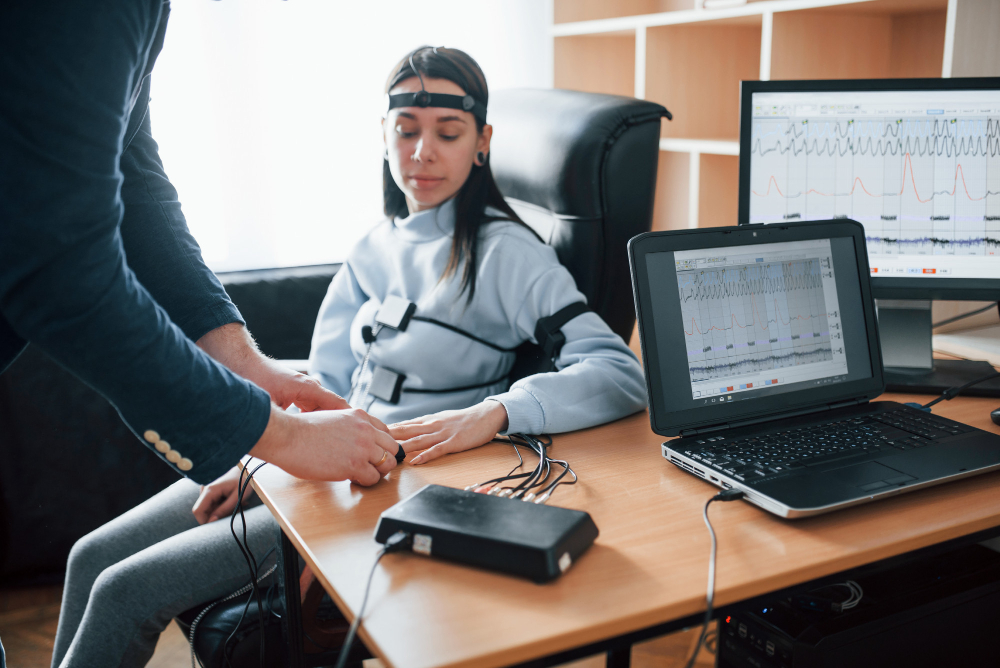
An overnight sleep study is used to diagnose sleep apnea. Sleep studies are non-invasive, painless tests that measure how well you sleep and how your body responds to sleep problems. During a sleep study, a medical device is used to record the number of sleep-disordered breathing events that occur.
There are two types of sleep studies:
An in-lab polysomnogram (PSG) typically takes place at a sleep lab located in a clinic or hospital. The patient has sensors attached to the scalp, face, chest, limbs, and finger which are used by the staff to monitor the patient throughout the night.
A home sleep test (HST) is a device that measures many of the same physiological channels as an in-lab polysomnogram but is performed by the patient in the comfort of their own home.
In most cases, a home sleep test is the preferred method for diagnosing sleep apnea due to its lower cost, shorter wait time, and greater convenience compared to an in-lab study.
Once sleep apnea is diagnosed, effective treatment is necessary to help alleviate symptoms and improve quality of life. There are multiple treatment options, and the best choice depends largely on the severity of sleep apnea as well as the individual person.
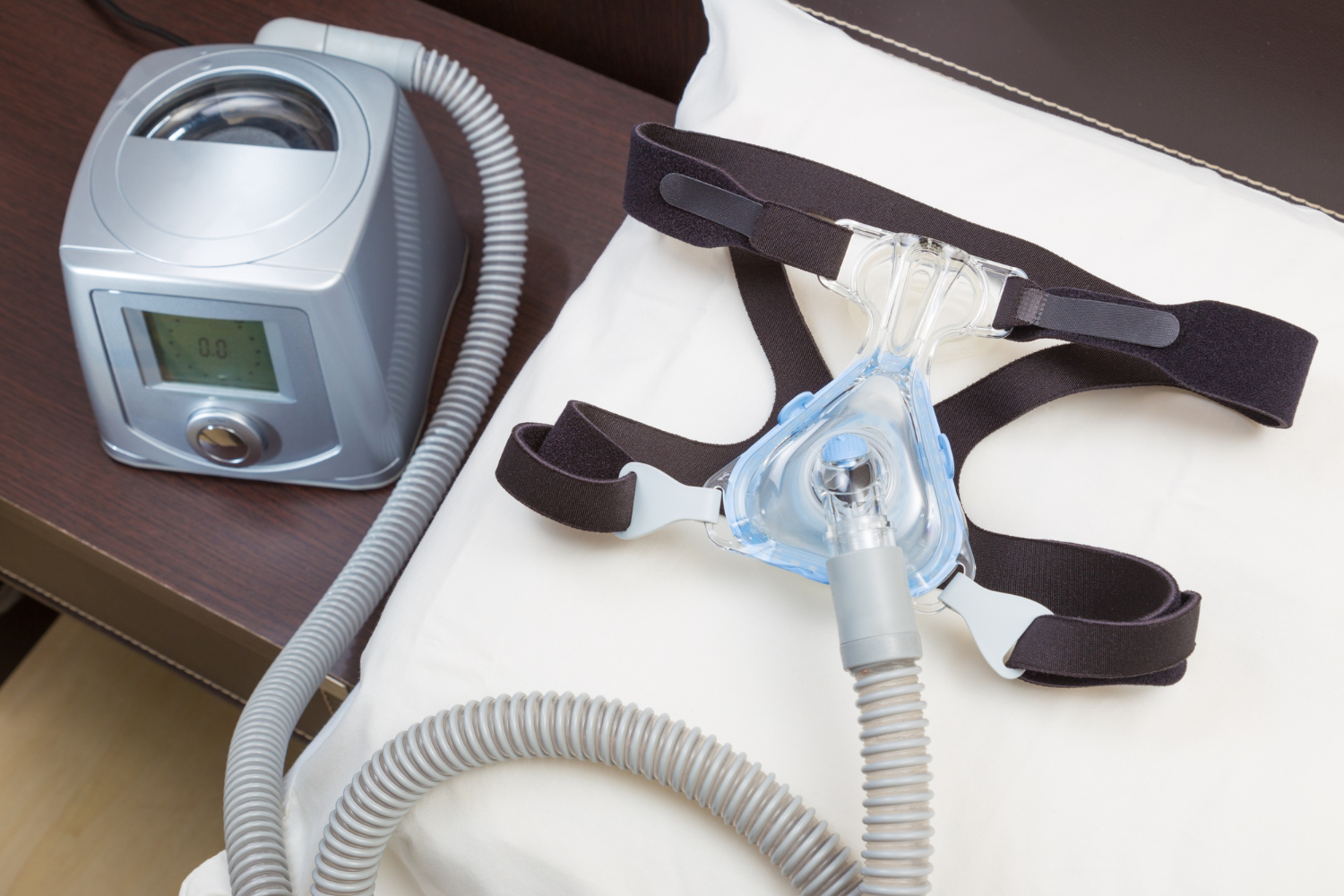
Continuous Positive Airway Pressure (CPAP) therapy uses a device that supplies a prescribed amount of air pressure to keep the airway open during sleep by gently blowing air into the throat through a small, comfortable mask. This is the most common treatment option and is recommended for most individuals with moderate to severe sleep apnea. Modern CPAP machines are compact, quiet, and comfortable, offering a variety of mask choices.
Oral Appliance (OA), sometimes called a Mandibular Advancement Device (MAD), is a custom-fit mouthpiece that pushes the jaw forward to help keep the airway open during sleep. This option is often used when CPAP therapy is not tolerated and is suitable for individuals with mild sleep apnea.
Surgical Treatments for sleep apnea are typically considered only after all other treatment options have been exhausted, as surgery can be invasive and expensive. The type of surgery depends on the individual patient and is usually performed by an otolaryngologist (ear, nose, and throat specialist).
Yes. Children may develop sleep apnea due to enlarged tonsils or adenoids, obesity, or craniofacial abnormalities. Symptoms can include snoring, restless sleep, and behavioral issues.
Dentists trained in sleep medicine can provide custom oral appliances that reposition the jaw and tongue, improving airflow and reducing sleep apnea symptoms, especially in mild to moderate cases.
If you experience loud snoring, choking during sleep, daytime fatigue, or other symptoms, consult your doctor or dentist. They may recommend a sleep study to confirm diagnosis.
Sleep apnea is a sleep disorder where a person’s breathing repeatedly stops and starts during sleep. This can lead to poor sleep quality, fatigue, and health risks like high blood pressure or heart problems.